
Ghana holds some of the most powerful stories in West Africa. Walk through the country, and you’ll find old forts, royal palaces, sacred forests, and monuments that tell how people lived hundreds of years ago. Some places feel quiet and peaceful; others carry memories that are heavy but important to understand.
Look, travelers often search for cultural and historical sites in Ghana because they want more than beaches or shopping. They want to see the places where history happened.
Actually, Ghana is packed with them.
Some are famous UNESCO sites, while others are smaller but deeply meaningful to local communities. These locations show traditions, kings, colonial history, and the fight for freedom. Anyone interested in Ghana’s history tourism will quickly realize the country is almost like an open-air museum.
Think about it. You could stand in a centuries-old castle by the ocean in the morning and then visit a royal palace museum in the afternoon.
Let’s explore some of the most important historical places in Ghana that travelers should see.
Cape Coast Castle
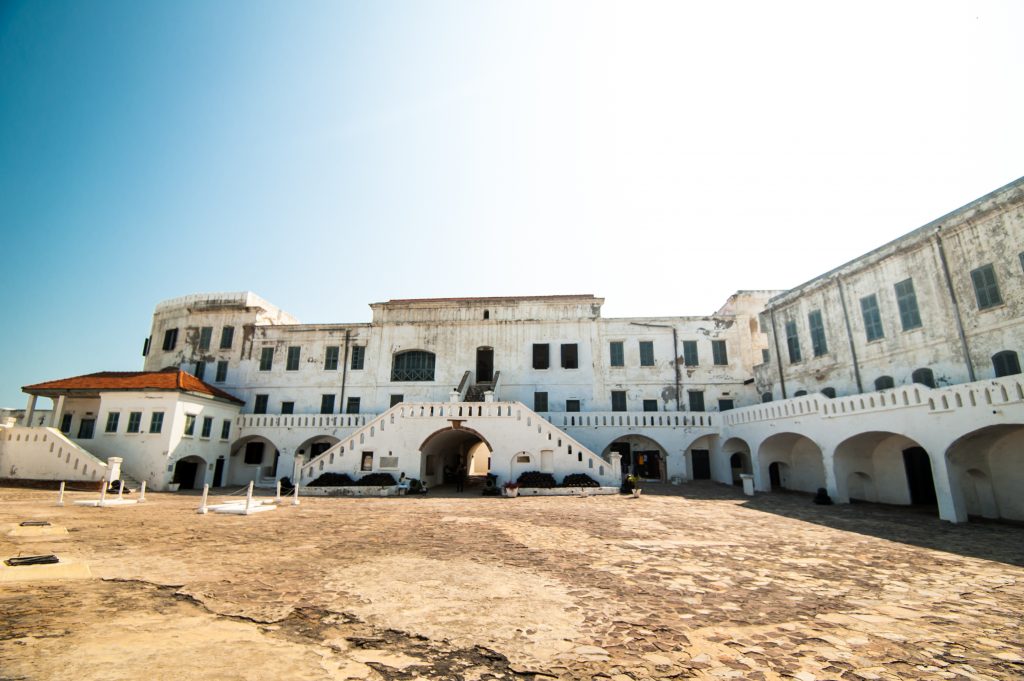
Right on the Atlantic coast sits one of the most powerful Ghana heritage sites in the country: Cape Coast Castle.
Look, the white walls and ocean views can fool people at first. It almost looks peaceful from the outside. The truth is the castle played a major role during the trans-Atlantic slave trade. Thousands of enslaved Africans were held in dark rooms here before ships carried them across the ocean.
Step inside and the mood changes quickly. The rooms are small. Air feels heavy. Visitors often grow quiet.
Guides explain the history in simple but powerful ways. You’ll hear about the “Door of No Return,” a passage that enslaved people walked through before being forced onto ships.
Because of its importance, this castle is one of the most visited historical sites in Ghana.
Elmina Castle
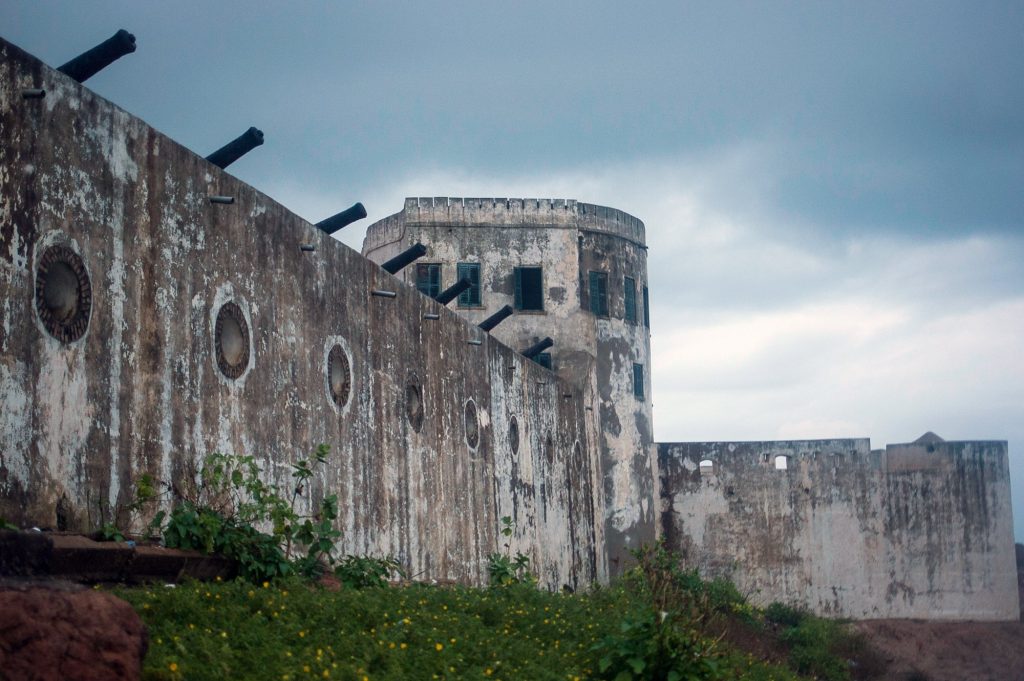
Just a short drive away sits another important place: Elmina Castle.
Actually, this castle is even older than Cape Coast Castle. The Portuguese built it in 1482, making it one of the earliest European buildings in West Africa. Over time, the Dutch and British also controlled it.
Walk through the courtyard, and you’ll notice something strange. Bright sunlight above. Dark dungeons below.
The contrast hits hard.
Elmina Castle is now part of the UNESCO sites in Ghana, and it attracts travelers from around the world. Many visitors come during heritage tours in Ghana, especially people tracing family roots in Africa.
Standing there by the ocean, it’s impossible not to think about the past.
Manhyia Palace Museum
Now shift away from the coast and travel inland to the Ashanti Region. In the city of Kumasi you’ll find Manhyia Palace Museum.
Think about it. Ghana isn’t only about colonial history. It’s also about powerful African kingdoms that existed long before Europeans arrived.
This palace was once the home of the Ashanti kings. Today, it works as a museum filled with royal items—old photos, golden stools, ceremonial clothing, and traditional weapons.
Look closely, and you’ll notice the pride of the Ashanti people in every room.
Visitors learn about the Ashanti Empire, one of the strongest kingdoms in West African history. Stories of bravery, leadership, and resistance fill the exhibits.
Anyone interested in Ghana cultural tours should definitely visit this palace.
Kwame Nkrumah Memorial Park
Ghana gained independence in 1957. The leader behind that movement? Kwame Nkrumah.
Right in Accra sits the beautiful Kwame Nkrumah Memorial Park, built to honor him.
Look, the park feels very different from castles and palaces. Palm trees line the paths. A tall statue of Nkrumah stands proudly in the center.
Inside the museum, you’ll find photos, documents, and personal items from his life. Visitors learn how he helped Ghana become the first African country south of the Sahara to gain independence from colonial rule.
For many travelers, this place connects the past with modern Ghana.
Short visit. Big meaning.
Larabanga Mosque
Head north toward the Savannah Region, and something unexpected appears in the small village of Larabanga: the Larabanga Mosque.
Actually, it’s one of the oldest mosques in West Africa. Built in the Sudanese architectural style, the structure looks almost like a sandcastle made of white clay with wooden beams sticking out from the walls.
People believe the mosque was built in the 1400s. That’s centuries before many modern cities even existed.
The building still functions as a place of worship today, which makes it both a religious and historical landmark. Travelers often visit it while exploring nearby Mole National Park.
Simple structure. Huge cultural importance.
Why These Places Matter
Look, visiting these cultural sites in Ghana isn’t just about sightseeing. Each place tells part of the country’s story—kingdoms, trade, struggle, freedom, and community traditions.
Actually, many travelers come to Ghana specifically for these experiences. They want to walk through castles, explore royal history, and understand the roots of African culture.
Some moments feel exciting. Others feel heavy.
But every visit adds another piece to the puzzle of Ghana’s past. And that’s why these places to visit in Ghana remain important today—for locals, historians, and curious travelers alike.